


Investment jubilation and climate roadmap at COP 30
The Brazilian drama around oil and climate
eyesonsuriname
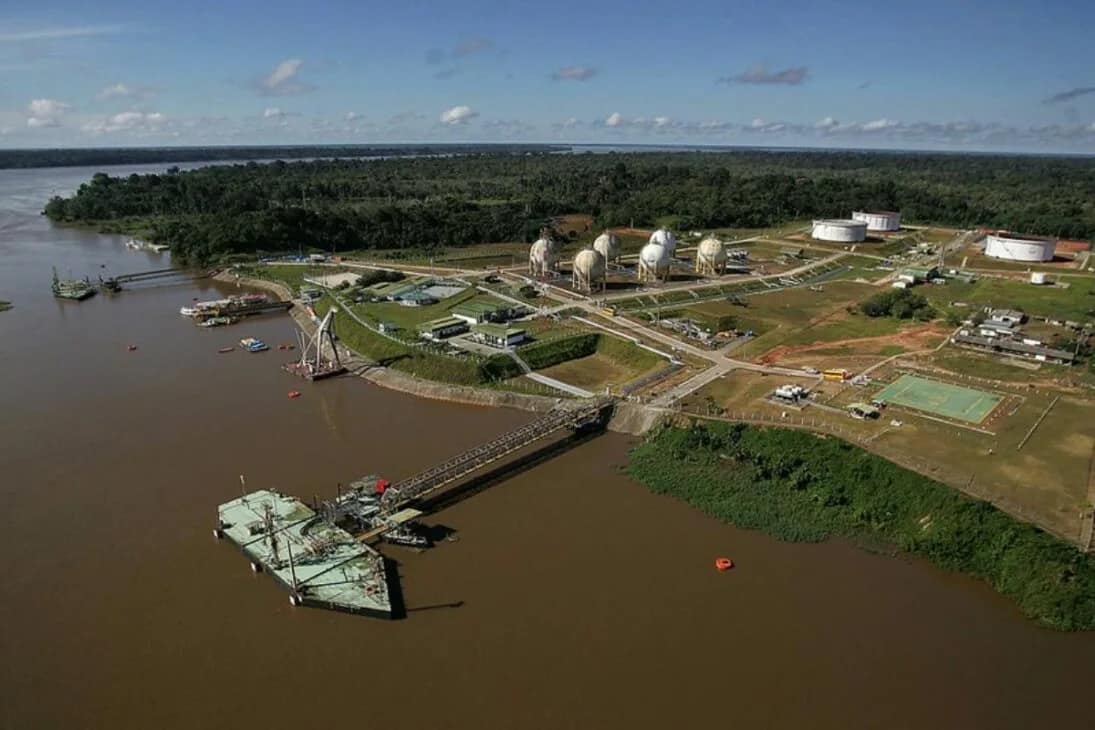
Amsterdam, 21 November 2025–It’s almost ironic: precisely in a year when the world gathers in Belém for the 30th edition of the climate conference — a conference whose focus lies on implementing the transition away from fossil fuels — Brazil announces an investment wave in the old oil industry.
And this while a roadmap is being presented that says: we will gradually phase out fossil fuels. The gap between word and deed seems glaring here.
First, the jubilation: Brazil reports major new oil reserves in, among other places, the Santos basin and (indirectly) the Campos basin; investors see opportunities; the oil industry makes plans worth approximately USD 105 billion for development of the classic oil fields. This is profit; this is growth; this is national pride. And this while the planet cries out for less oil. The explicit paradox points to a fundamental tension in the current energy game: growth versus limitation, exploitation versus transition.
Related Posts:









When in the same breath a country says: “we now want to present a roadmap at the conference with which fossil fuels will be gradually phased out,” but outside the conference opens new production fronts, then an almost tragic split emerges. It’s as if Brazil is telling two stories simultaneously: the green story of climate leadership and the black story of oil exploitation. Both can exist — but hardly without undermining each other.
The essence of the climate problem is based on the logic: fewer fossil fuels means less CO₂ emissions, means better chance at 1.5°C. Every new oil exploration means potential additional emissions, additional infrastructure, additional consumption. According to analyses, the new oil fronts in Brazil could lead to billions of tons of CO₂ — and thus push the path upward instead of downward. This puts the entire roadmap on shaky ground: how serious is it, how fast can it be?

Moreover, there is the question of credibility on the international stage. The host country of COP 30 should function as an example, or at least as a reliable player. But if Brazilian policy lines create opportunities for oil-rich development precisely during or just before the climate decision, then the perception arises — justifiably — that the climate agreement is being undermined by national economic interests. And that has implications: other countries will look with skepticism at a roadmap that comes from the same state that is opening new oil fields in the background.
At the same time, it must be acknowledged that Brazil faces a difficult task. It is rich in natural resources, has developmental and socio-economic challenges, and rightfully claims a just transition. The argument of energy sovereignty is real: why should Brazil leave its oil reserves in the ground while other countries profit? This tension is legitimate — but it makes the implementation of the roadmap all the more complex.
Another layer of the drama is the influence of the fossil fuel industry itself. At COP 30, the representation of oil & gas players is unprecedentedly high — lobbyists, investors, policy networks that should either support or oppose the roadmap. In this climate of strong countervailing forces, it is difficult for the roadmap to function as pure, credible, and binding.

Reflection: Brazil is balancing on a narrow ridge — between ambition and reality. The roadmap for a fossil-free future is a courageous step. But the simultaneous investment in the old oil industry raises questions about the depth, speed, and functioning of that step. The question remains: will the roadmap remain merely paperwork or will the fossil infrastructure choices actually be reversed?

The world is watching — and will hold it accountable. The time for symbolism is over. What counts is: who dares to truly step away? Brazil could choose leadership — or preservation. The fate of the path forward is not neutral.
eyesonsuriname